
5 Preventive Health Tests to Catch Problems Early
Quick answer: The key health tests are fasting blood glucose and HbA1c (blood sugar), fasting insulin and HOMA-IR (insulin resistance), a lipid panel (heart risk), liver function tests (fatty liver), and a visceral fat or DEXA scan (hidden fat). Together, they can flag problems years before symptoms appear.
Most people only get a blood test when something already feels wrong. But many of today’s most common chronic conditions, including type 2 diabetes, heart disease and fatty liver, develop quietly over years. By the time you notice symptoms, the problem has often been building for a long time.
We believe healthcare shouldn’t start after you get sick. That’s why we focus on prevention: helping you understand your blood work so small issues don’t become big problems.
Why Get a Preventive Health Screening?
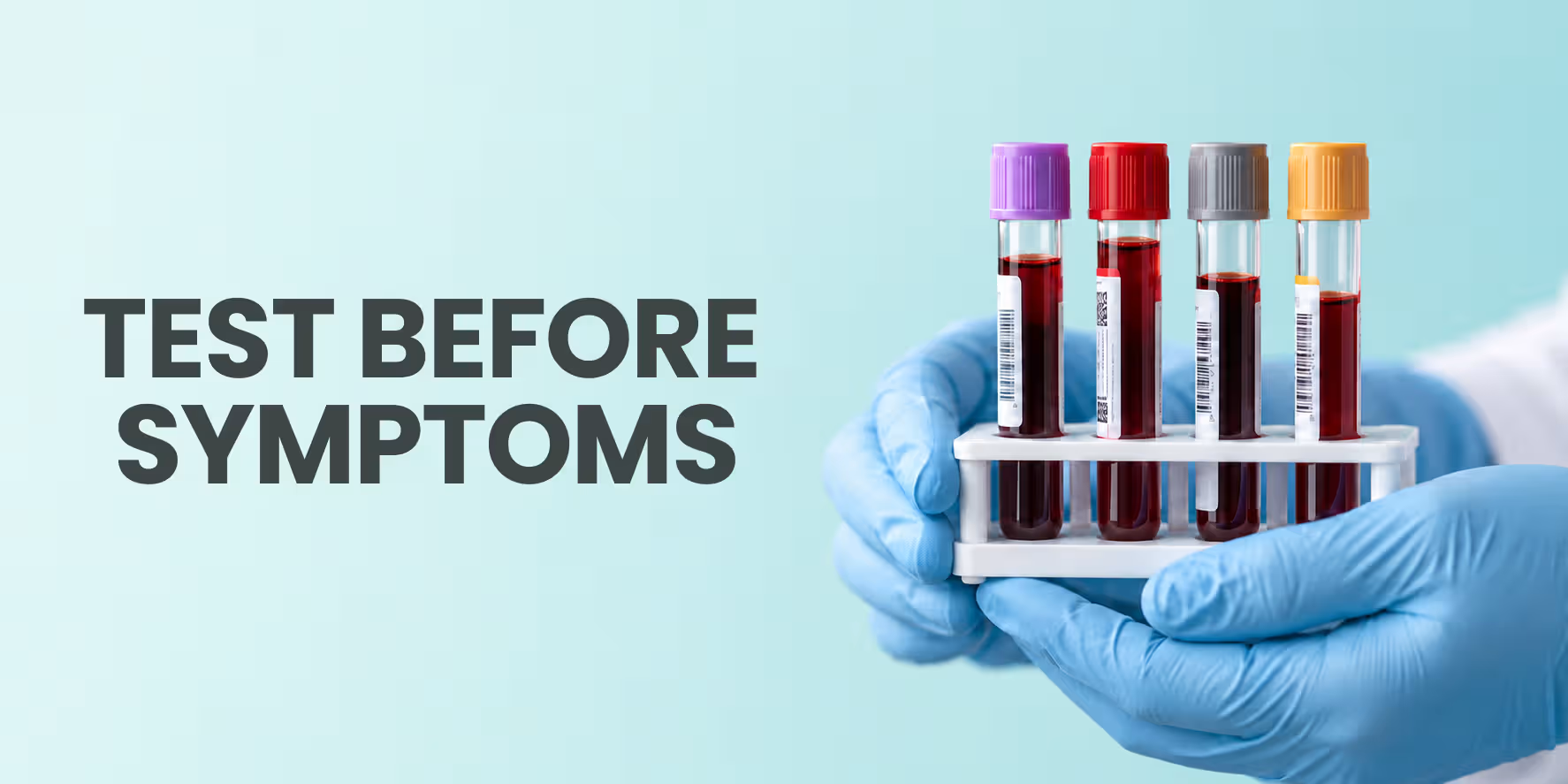
A preventive health screening shows what’s happening inside your body before you feel any symptoms. It gives you measurable numbers you can track over time, so you and your doctor can act early.
Early detection matters because conditions like prediabetes and early fatty liver often respond well to changes in diet, activity, sleep and targeted support. Left unchecked, the same conditions can progress to diabetes, liver damage or cardiovascular disease.
The Essential Tests to Ask For
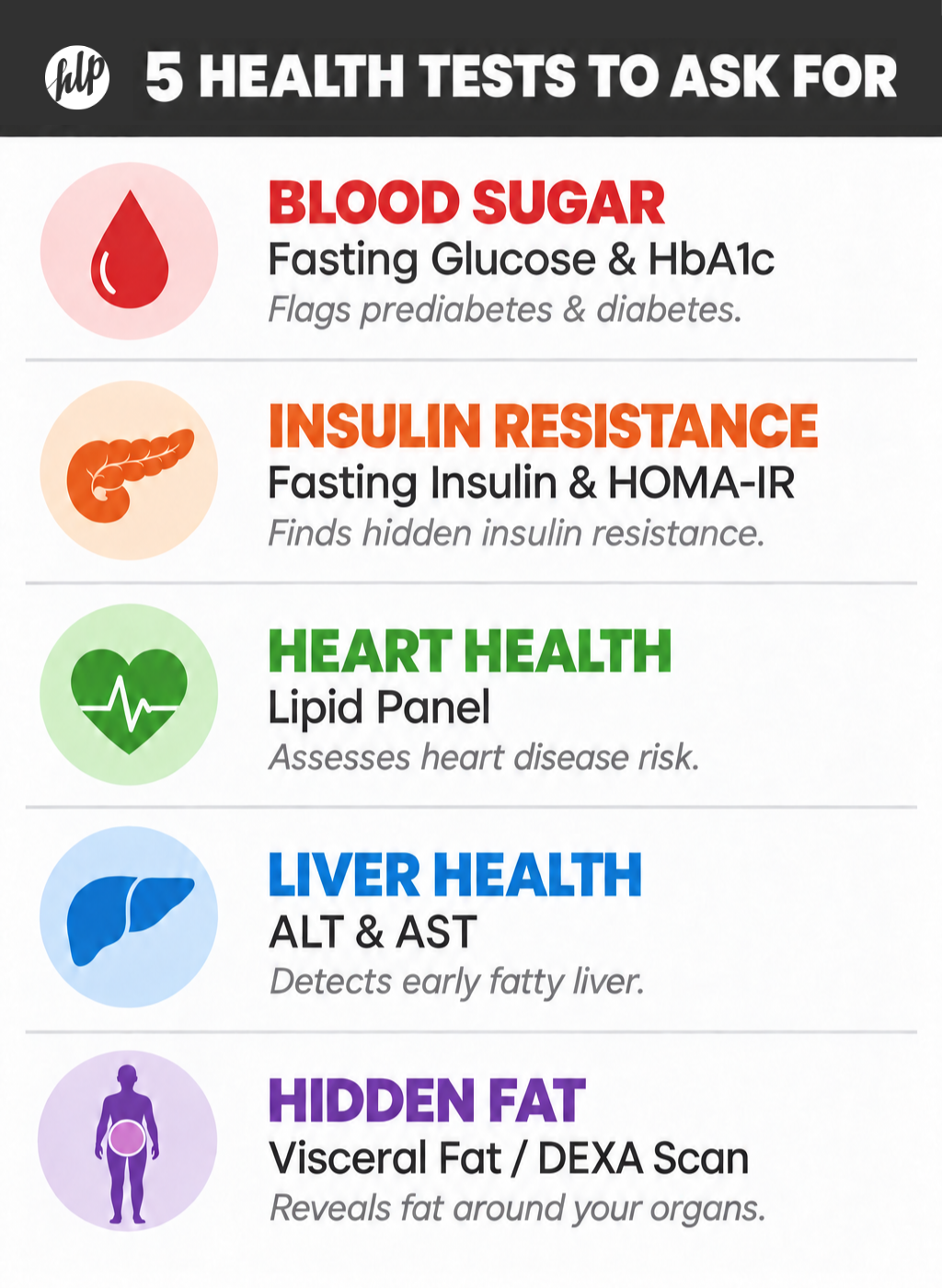
1. Fasting Blood Glucose and HbA1c
What It Measures: Your blood sugar after fasting, and your average blood sugar over the past two to three months (HbA1c).
Why It Matters: Detects diabetes or prediabetes early, so you can take control before it takes a toll. Under common international guidelines, an HbA1c of 5.7% to 6.4% suggests prediabetes, and 6.5% or higher suggests diabetes.
2. Fasting Insulin and HOMA-IR
What It Measures: Whether your body is becoming resistant to insulin. HOMA-IR is a score calculated from your fasting insulin and glucose.
Why It Matters: Your blood sugar can look normal while insulin quietly rises to keep it that way. This test finds hidden insulin resistance, a root driver of many chronic diseases like diabetes, fatty liver and heart disease.
3. Lipid Panel
What It Measures: LDL (“bad”) cholesterol, HDL (“good”) cholesterol, and triglycerides.
Why It Matters: Helps assess your heart disease risk and the balance of good and bad fats. A high triglyceride-to-HDL ratio is also linked to insulin resistance and a less favourable cardiovascular risk profile.
What It Measures: Liver enzymes that rise when liver cells are under stress.
Why It Matters: Liver function tests can detect early liver stress or fatty liver before symptoms appear. Fatty liver often has no symptoms at all and is closely linked to insulin resistance.
5. Visceral Fat / DEXA Scan
What It Measures: The hidden fat stored around your internal organs.
Why It Matters: Reveals hidden fat that increases your risk of diabetes, heart disease and more, and it often moves in step with insulin resistance and fatty liver.
Why These Tests Work Best Together
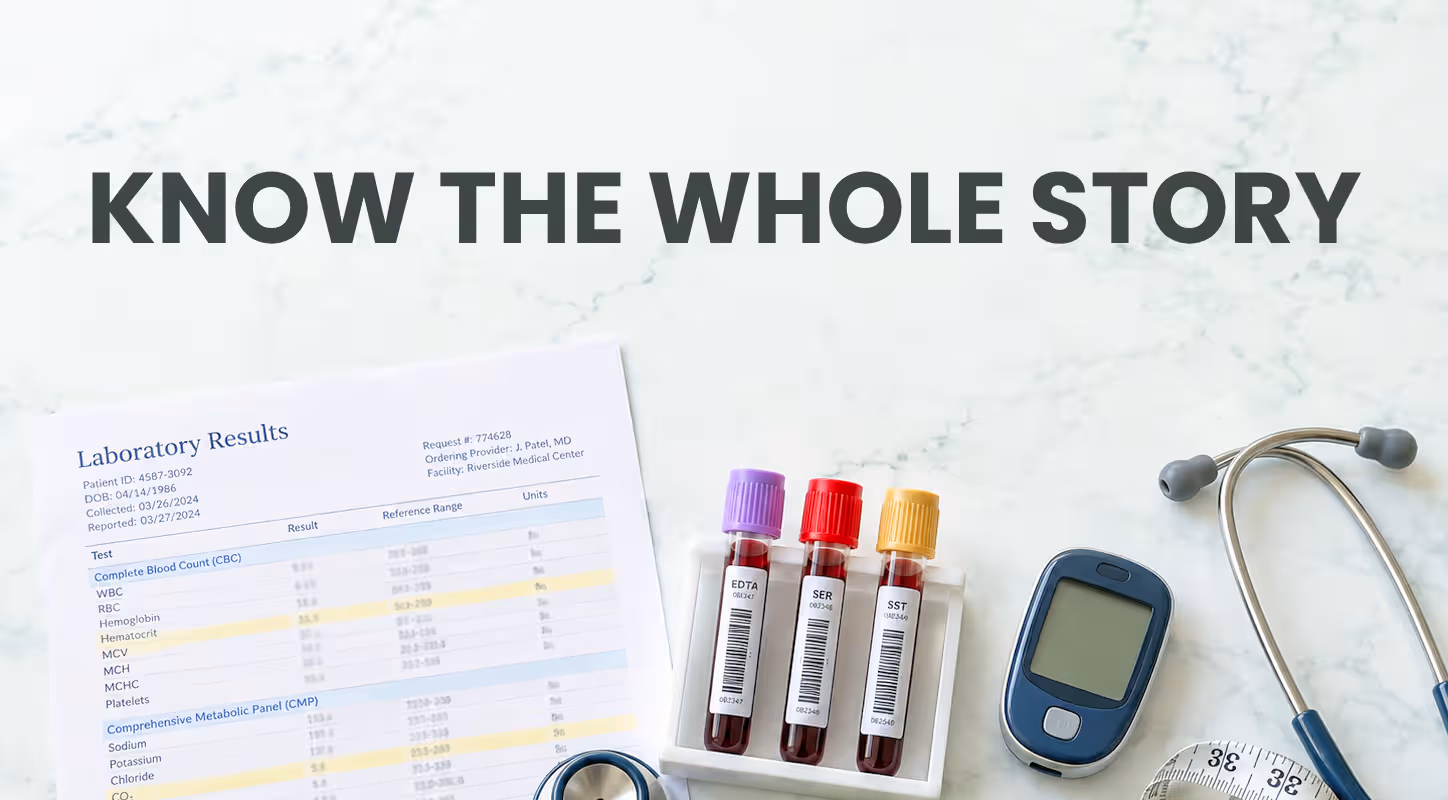
No single number tells the whole story. Blood sugar, insulin, blood fats, liver enzymes and visceral fat are all connected. A pattern such as normal glucose, raised fasting insulin, a high triglyceride-to-HDL ratio and mildly raised ALT can point to early insulin resistance that any one test alone would miss.
This is exactly why interpretation matters as much as the test itself. Many people receive a report full of numbers and “normal range” flags without anyone explaining what the overall pattern means for them.
Already Have a Blood Test?
APEX Services offers a free review of your results by Dr. Darren Chua.
APEX Services
Honest Living has always been into cellular nutrition and encouraging our customers to discover their health issues with our panel of nutritionists and healthcare professionals!
We care about your health! So we want to prevent any underlying health risks!
That’s why we have partnered with Dr. Darren Chua, Functional Health and Genomic consultant to encourage you to take up APEX Services.