
Understanding and Managing Bloating and Constipation
As a functional health and genomics consultant, one of the most frequent complaints I encounter relates to the uncomfortable duo of bloating and constipation. Many dismiss these as mere annoyances. However these symptoms can be critical indicators of underlying imbalances within our intricate bodily systems, particularly the gut microbiome and its dynamic interplay with diet, lifestyle and even our genetic predispositions.
What Are We Truly Experiencing?

What is Bloating?
The sensation of abdominal fullness, pressure or distension, often accompanied by visible swelling of the abdomen. It is frequently caused by excessive gas production or trapped gas in the intestines, or an altered perception of gut distension.
What is Constipation
Constipation, on the other hand, refers to infrequent bowel movements (typically fewer than three per week), difficulty passing stools, straining or a feeling of incomplete evacuation. This slowing down of faecal material may increase fermentation of stagnant material which contributes directly to bloating.
Hence, both symptoms disrupts optimal gut function which can stem from various sources.
The Root Causes of Bloating and Constipation
From a functional health and genomics perspective, common culprits include:
Dietary Factors
Inadequate fiber and fluid intake are foundational. However, sensitivities to specific foods are frequent triggers.
Dysbiosis
An imbalance in the gut microbiome, where harmful bacteria outnumber beneficial ones, may lead to excessive gas production and altered gut motility. Small Intestinal Bacterial Overgrowth (SIBO) is a prime example where bacteria colonize the small intestine which leads to significant bloating and gas.
Gut Motility Issues
A sluggish migrating motor complex (MMC), the “housekeeper” of the small intestine, can lead to bacterial buildup. Stress, certain medications (like opioids, antidepressants, antacids) and underlying conditions (e.g., hypothyroidism, diabetes) can impair such motility.
Stress & Nervous System Dysregulation
The gut-brain axis is profoundly influential. Chronic stress directly impacts gut motility, permeability as well as the microbial balance
Nutrient Deficiencies
Magnesium deficiency, for example , can impair muscle contraction in the bowel.
Genomic Predispositions
Genetic variations can influence digestive enzyme activity, nutrient absorption, gut motility and even individual responses to dietary components, predisposing some clients to these issues. For example, variations in genes affecting serotonin pathways (critical for gut motility) may play a role in gut motility.
Holistic Management Strategies
Therefore, effective management moves beyond symptomatic relief to address these root causes. Such strategies include:
Optimize Diet
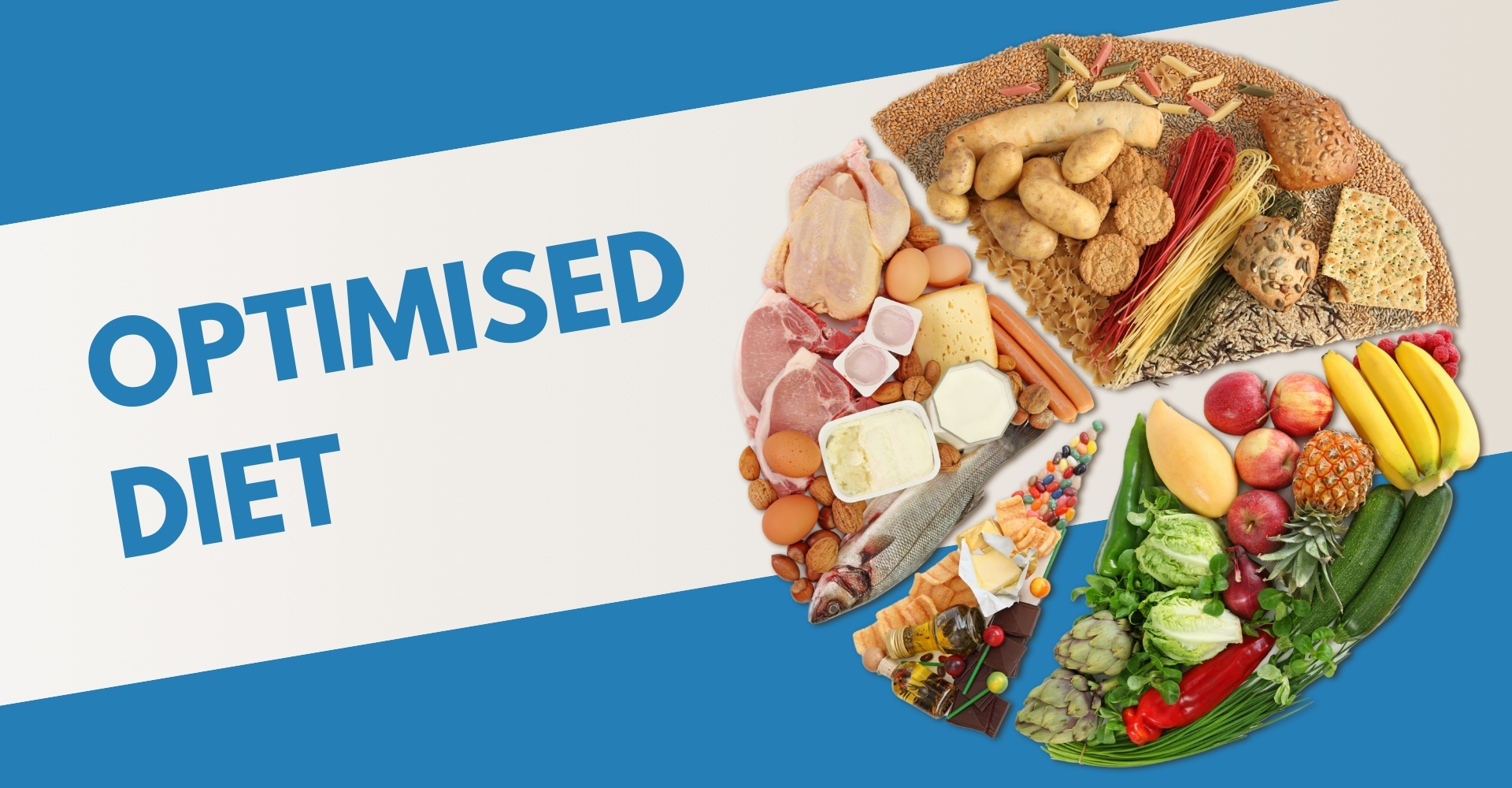
💧 Hydration: Ensure adequate water intake throughout the day.
🥬 Fiber Diversity: Gradually increase intake of both soluble (oats, beans, apples, psyllium) and insoluble fibers (whole grains, nuts, vegetable skins) to promote regular bowel movements and feed beneficial bacteria.
🍽️ Mindful Eating: Eat slowly, chew thoroughly and avoid eating when stressed to reduce air swallowing and aid digestion.
🥛Elimination Triggers: Temporarily remove common triggers like dairy, gluten and high-FODMAP foods to identify personal sensitivities.
Support the Microbiome
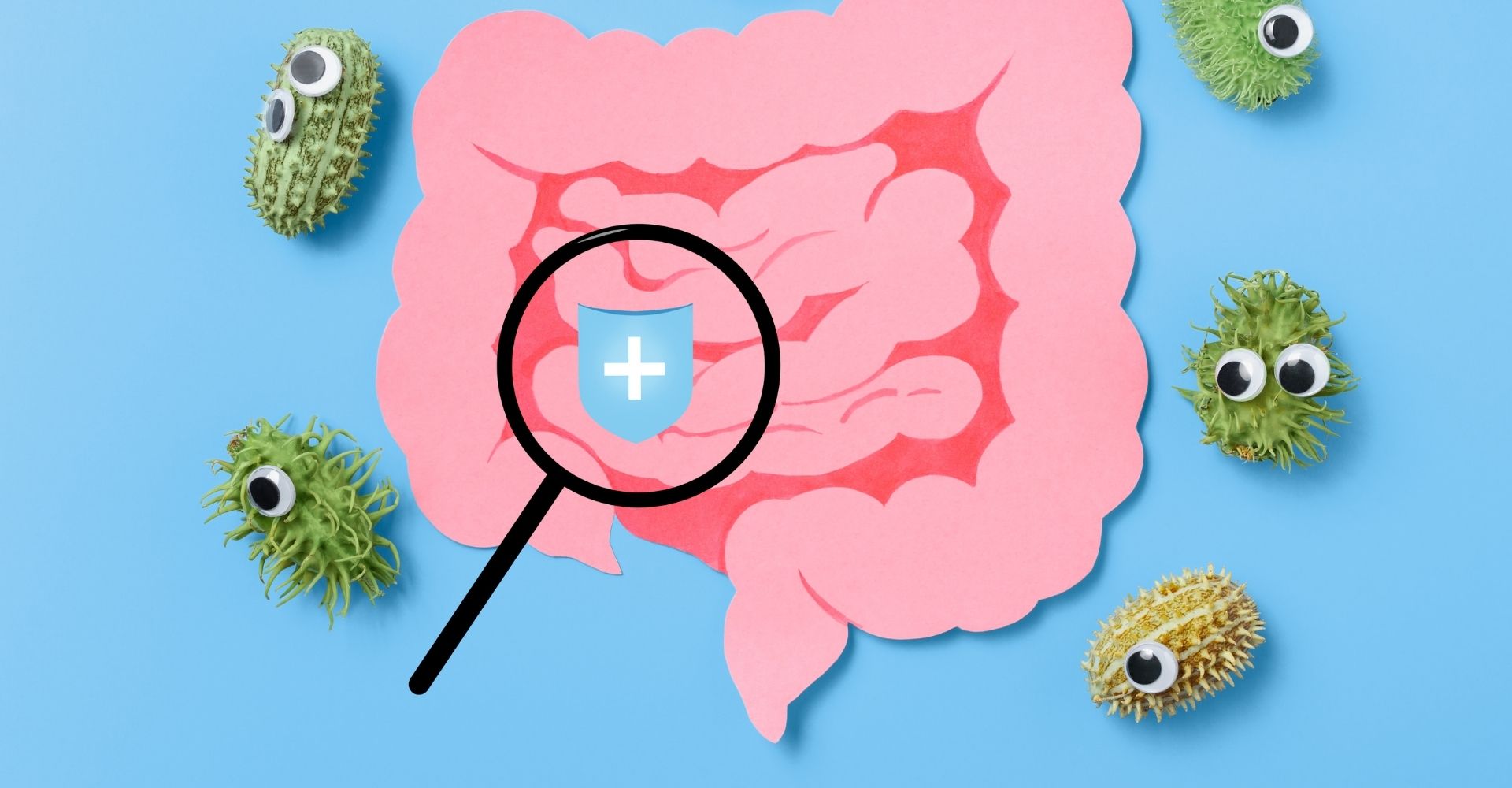
Probiotics: Specific strains (e.g., Bifidobacterium lactis for constipation, Saccharomyces boulardii for diarrhea) can help rebalance the gut. For SIBO, specific strains or postbiotics may be better tolerated.
Prebiotics: Introduce gradually through foods (garlic, onions, asparagus, green bananas) to nourish beneficial gut bacteria.
Postbiotics: Explore targeted supplements or fermented foods, which provide beneficial compounds produced by bacterial fermentation. These supports gut barrier function and reducing inflammation without adding live bacteria.
Enhance Motility & Digestion
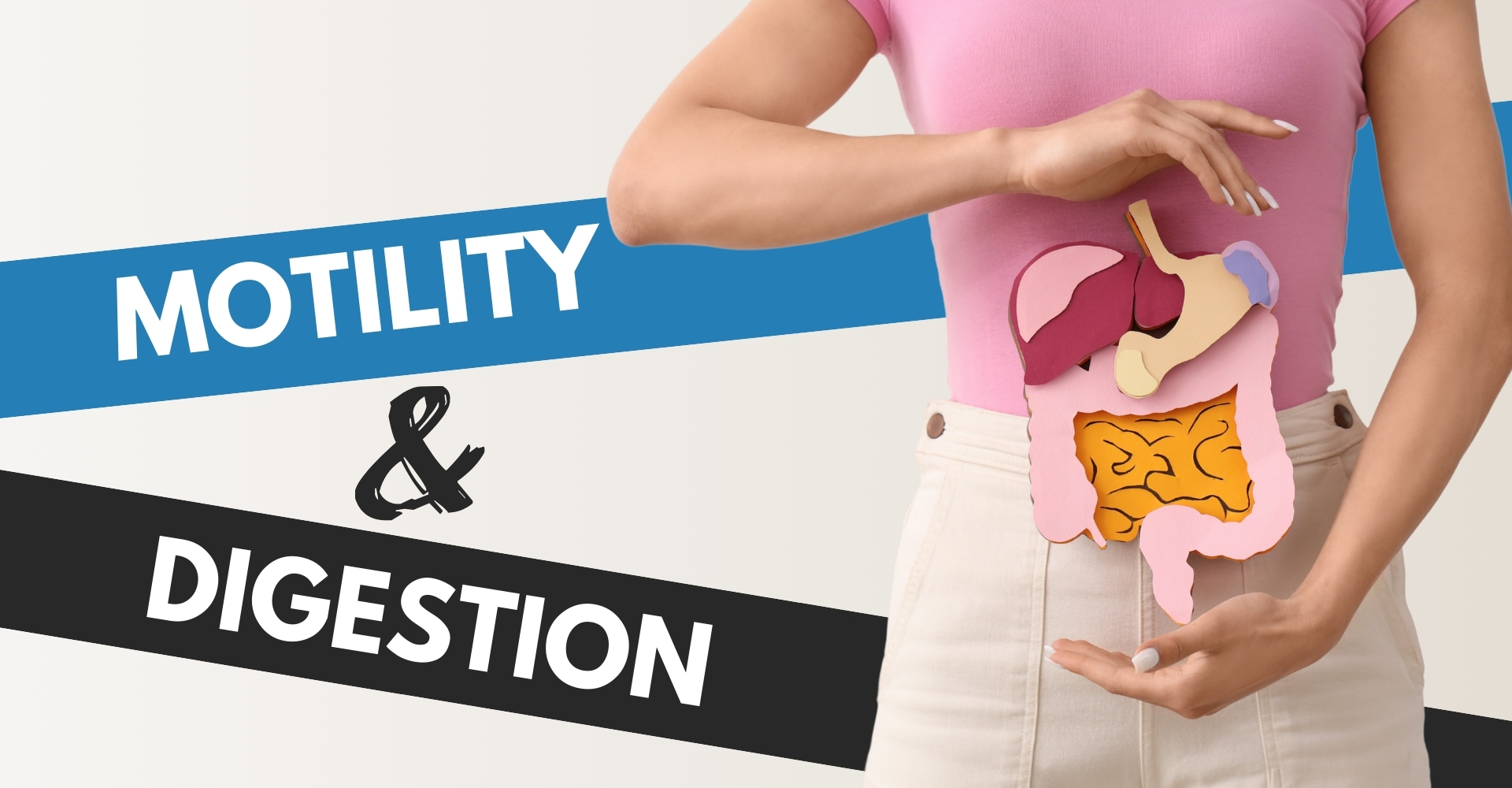
Magnesium Supplementation: Magnesium can gently stimulate bowel movements.
Digestive Enzymes/Betaine HCl: Consider if poor digestion is contributing to symptoms.
Regular Movement: Daily physical activity is crucial for stimulating gut motility.
Stress Management: Incorporate mindfulness, yoga, meditation or even spending time in nature to calm the nervous system and improve gut-brain communication.
By adopting a personalized and functional approach that considers diet, lifestyle and individual genomic insights, we can effectively navigate and resolve bloating and constipation and thereby paving the way for optimal digestive health and overall well-being.

Try Out Nutriune Oat Beta Glucan!
Nutriune Oat Beta Glucan is made with pure oat beta glucan, offering more than just cholesterol-lowering benefits. It also includes a vegan-friendly Vitamin B complex, providing essential nutrients like B12 and B3 that your body needs. Not only does it help manage your cholesterol, but it also supports overall health. Plus, Nutriune is free from gluten and sugar, making it safe for those with diabetes. It’s also suitable for pregnant women, breastfeeding mothers, and children, making it a great option for your family.

Dr. Darren Chua (MBBS, MSc, CBCC)
Functional Health & Genomic Consultant
Dr Darren Chua is a Functional Health and Genomics Consultant based in Singapore, dedicated to helping individuals achieve optimal health by integrating functional medicine principles with advanced genetic insights.
gut microbiome plays a pivotal role in digestion, nutrient absorption as well as the synthesis of essential vitamins.
APEX Screen
Honest Living has always been into cellular nutrition and encouraging our customers to discover their health issues with our panel of nutritionists and healthcare professionals!
We care about your health! So we want to prevent any underlying health risks!
That’s why we have partnered with Dr. Darren Chua, Functional Health and Genomic consultant to encourage you to take up APEX Screen.