
The Gut Microbiome: A Central Regulator of Metabolism and Immunity
Our understanding of human health continues to evolve and at the forefront of this evolution is the gut microbiome which is this vast community of microorganisms residing within our digestive tract. Far more than just a digestive aid, this intricate ecosystem plays a pivotal role in modulating our metabolism and immunity which profoundly influencing our overall well-being.
The Gut-Metabolism Connection

The gut microbiome exerts significant influence over our metabolic processes. This is the complex biochemical pathways that convert food into energy and dictate how our bodies store and utilize fat.
A primary mechanism involves energy harvesting. Our gut bacteria possess enzymes capable of fermenting complex carbohydrates;such as dietary fiber, which are otherwise indigestible by human enzymes. This fermentation yields short-chain fatty acids (SCFAs). While vital for the health of intestinal cells, however, an overly efficient microbial community can extract a greater caloric yield from food. This additional energy, if not expended, can contribute to positive energy balance and consequently, obesity.
Furthermore, gut health directly impacts insulin sensitivity. A balanced microbiome can enhance the body’s responsiveness to insulin, the hormone central to blood sugar regulation. Conversely, an imbalanced microbiome can contribute to insulin resistance, a state where cells fail to respond effectively to insulin, leading to elevated blood sugar levels, increased fat storage (particularly visceral fat), and a heightened risk of type 2 diabetes.

The Gut-Immunity Nexus
Approximately 70% – 80% of the body’s immune cells reside within the gut’s Gut-Associated Lymphoid Tissue (GALT), underscoring the intimate relationship between intestinal health and immune function.
A robust intestinal barrier is critical for immune integrity. This barrier meticulously regulates what passes from the gut lumen into the bloodstream, allowing nutrients through while preventing the translocation of harmful substances like toxins and pathogenic microbes. When this barrier is compromised, very often, a condition often termed “leaky gut” or increased intestinal permeability. These unwanted elements can enter systemic circulation and trigger widespread inflammation and immune activation.
Moreover, the gut microbiome actively participates in immune education. It helps train the immune system to distinguish between harmless dietary components and beneficial microbes versus genuine threats. This crucial discernment helps prevent inappropriate immune responses, such as allergies or autoimmune conditions. A diverse and stable microbiome also provides direct pathogen defense by outcompeting harmful microorganisms for resources and adhesion sites.
Optimizing Gut Health for Enhanced Metabolism and Immunity
Given the profound influence of the gut microbiome, nurturing its health is a fundamental strategy for improving metabolic and immune function. Consider incorporating the following practices:
Diversify Dietary Fiber Intake
Provide sustenance for beneficial gut bacteria by consuming a wide array of prebiotic-rich foods, including fruits, vegetables, whole grains, nuts, and legumes.
Embrace Fermented Foods
Introduce probiotic-rich foods like yogurt, kefir, kimchi, and sauerkraut, which supply live beneficial microorganisms.
Minimize Processed Foods and Added Sugars
These dietary components can disrupt microbial balance and promote inflammation.
Prioritize Hydration
Adequate water intake is essential for digestive function and maintaining gut integrity.
Manage Stress Effectively
Chronic stress negatively impacts the gut-brain axis and can alter microbial composition. Incorporate stress-reduction techniques into your daily routine.
Engage in Regular Physical Activity
Exercise has been shown to positively influence gut microbiome diversity and function.
Use Medications Judiciously
Antibiotics, while vital for treating infections, can significantly disrupt the microbiome. Thus consulting your healthcare provider about appropriate usage and potential probiotic support.
By actively investing in your gut health, you are taking a proactive step towards optimizing your metabolic processes, fortifying your immune defenses, and ultimately enhancing your long-term health and vitality

Try Out Nutriune Oat Beta Glucan!
Improve your gut health with Nutriune
Nutriune Oat Beta Glucan is made with pure oat beta glucan, offering more than just cholesterol-lowering benefits. It includes prebiotic inulin to better improve your gut microbiome! Not only does it help manage your cholesterol, but it also supports overall health. Plus, Nutriune is free from gluten and sugar, making it safe for those with diabetes. It’s also suitable for pregnant women, breastfeeding mothers, and children, making it a great option for your family.
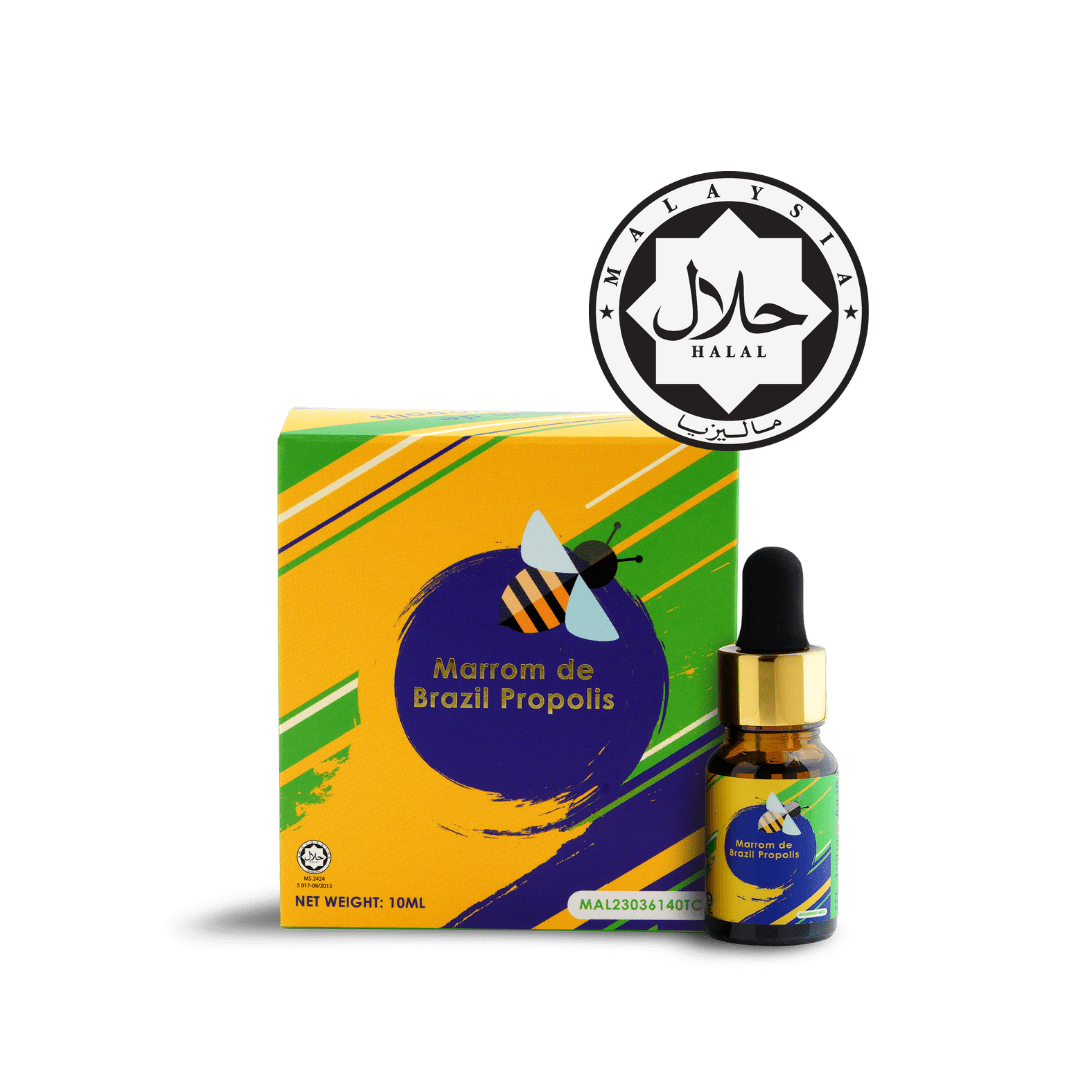
What makes this propolis special?
Marrom de Brazil Propolis is a high-quality green propolis from Honest Living. It contains 80mg of flavonoids, is alcohol-free, and has no beeswax. It’s 100% soluble and has a thin consistency. Unlike other propolis, Marrom de Brazil doesn’t burn when taken directly, making it safe for children. Plus, it’s the only propolis listed on the HSA website.

Dr. Darren Chua (MBBS, MSc, CBCC)
Functional Health & Genomic Consultant
Dr Darren Chua is a Functional Health and Genomics Consultant based in Singapore, dedicated to helping individuals achieve optimal health by integrating functional medicine principles with advanced genetic insights.